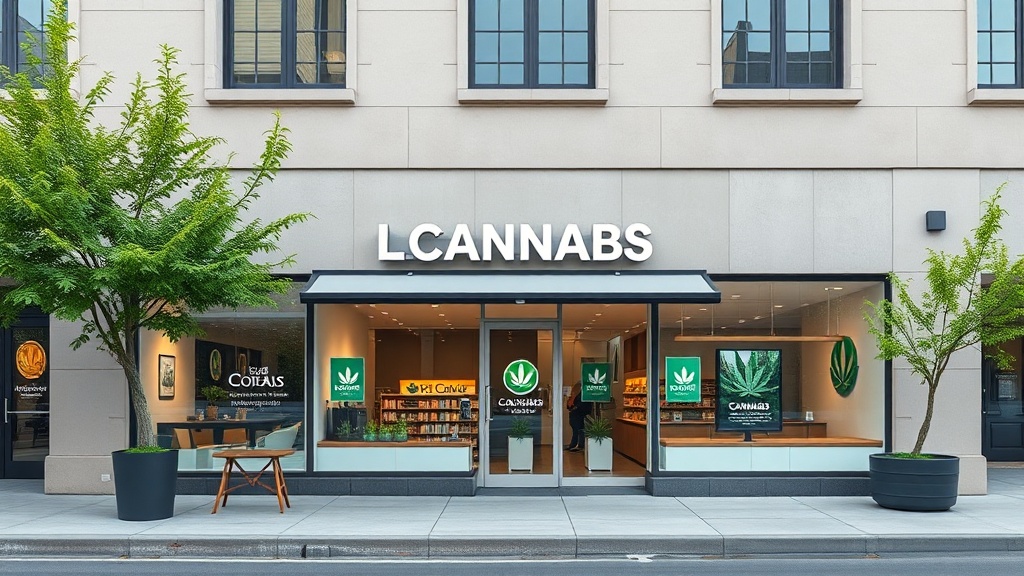
Opening a cannabis dispensary means clearing a long list of regulatory hurdles, and insurance is one of the most important. Most states bake specific insurance requirements directly into the licensing process — you cannot get or keep your license without proof of coverage. On top of that, your landlord, your lender, and basic risk management all push you toward a robust program.
The challenge is that dispensaries sit in the surplus lines market because cannabis remains federally illegal, so standard carriers won't write them. This guide explains what coverages a dispensary actually needs, what states typically require, and how a broker who shops multiple specialty carriers gets you compliant and protected.
Why Dispensaries Are Hard to Insure
A dispensary combines several high-risk traits in one location:
- High-value inventory sitting on shelves and in vaults
- Large amounts of cash, because cannabis is still largely a cash-based business thanks to limited banking access
- Heavy foot traffic and direct public interaction
- A federally prohibited product, which scares off mainstream insurers
Put those together and you get a risk that admitted carriers decline almost reflexively. The coverage you need exists — but it lives with specialty E&S carriers, and the forms vary dramatically. That's where a broker earns their keep: we compare carriers, read the exclusions, and make sure the policy actually fits a retail cannabis operation.
Core Insurance Requirements for a Dispensary
General Liability
General liability is the cornerstone and almost always the coverage your state and landlord demand first. It responds to third-party bodily injury and property damage — the customer who slips on a wet floor, the visitor injured in your lobby. Many state licensing rules and commercial leases set a minimum general liability limit, commonly in the $1 million per occurrence / $2 million aggregate range, though it varies by jurisdiction.
Product Liability
Even though a dispensary may not manufacture product, it sells it — and that puts you in the chain of distribution. Product liability responds to claims that a product caused harm: contamination, mislabeling, inaccurate potency, pesticide residue, or an adverse reaction. Edibles and vapes carry elevated risk. Confirm that product liability is genuinely included, because some general liability forms quietly exclude cannabis products. Many states require it as part of the license.
Commercial Property
Property coverage protects your build-out, fixtures, point-of-sale systems, security equipment, and inventory against fire, water damage, vandalism, and similar perils. Given how much capital goes into a dispensary fit-out, this coverage protects one of your largest investments.
Crime, Theft & Cash Coverage
Dispensaries are targets precisely because they hold cash and valuable, easily resold product. A dedicated crime and theft policy — including money and securities coverage and employee dishonesty — is essential. Standard property forms often cap cash coverage at very low limits, so this is an area where dispensaries are routinely underinsured. Many state regulators also require specific security and theft-mitigation measures tied to coverage.
Workers' Compensation
If you employ budtenders, security staff, or managers, workers' compensation is mandatory in nearly every state. It covers medical costs and lost wages for on-the-job injuries. Proper job classification matters, because retail and security roles carry different rates.
Commercial Auto
If your dispensary transports cash, product, or supplies — even occasionally — you need commercial auto coverage. Personal auto policies will deny any cannabis-related claim.
Cyber Liability
Dispensaries collect customer information and run digital point-of-sale and loyalty systems. Cyber liability responds to data breaches, ransomware, and the cost of customer notification and recovery. It's increasingly expected as part of a complete program.
State Licensing Insurance Mandates
While requirements differ by state, most cannabis programs require dispensary applicants to carry — and maintain — at minimum:
- A general liability policy at a stated limit
- Product liability coverage
- Proof of workers' compensation if employees are present
- Sometimes a surety bond or specific cash-handling and security provisions
Regulators typically want a certificate of insurance on file and may require the state or licensing body to be listed as an additional interested party. Letting coverage lapse can put your license in jeopardy, so continuity matters as much as the initial policy.
Because these rules change and vary widely, a broker who works cannabis full-time keeps current on what your specific state demands and structures your program to satisfy it the first time.
A Note on 280E
Dispensaries also operate under IRC Section 280E, which disallows most ordinary business deductions for cannabis sellers. The resulting tax burden means margins are tighter than they look — one more reason an uninsured loss can be catastrophic, and why getting the right coverage in place is a financial priority, not just a compliance box.
How a Broker Gets You Covered
A specialty broker shops multiple surplus lines carriers, matches your dispensary's real exposures to the right forms, ensures you meet state and lease requirements, and flags dangerous exclusions before you sign. As you grow — adding locations, delivery, or new product lines — we adjust the program to keep pace.
Get a Quote
Don't let an insurance gap stall your license or your opening day. Call 844-967-5247 or request a quote, and we'll shop the specialty market to build a dispensary program that keeps you compliant and protected.